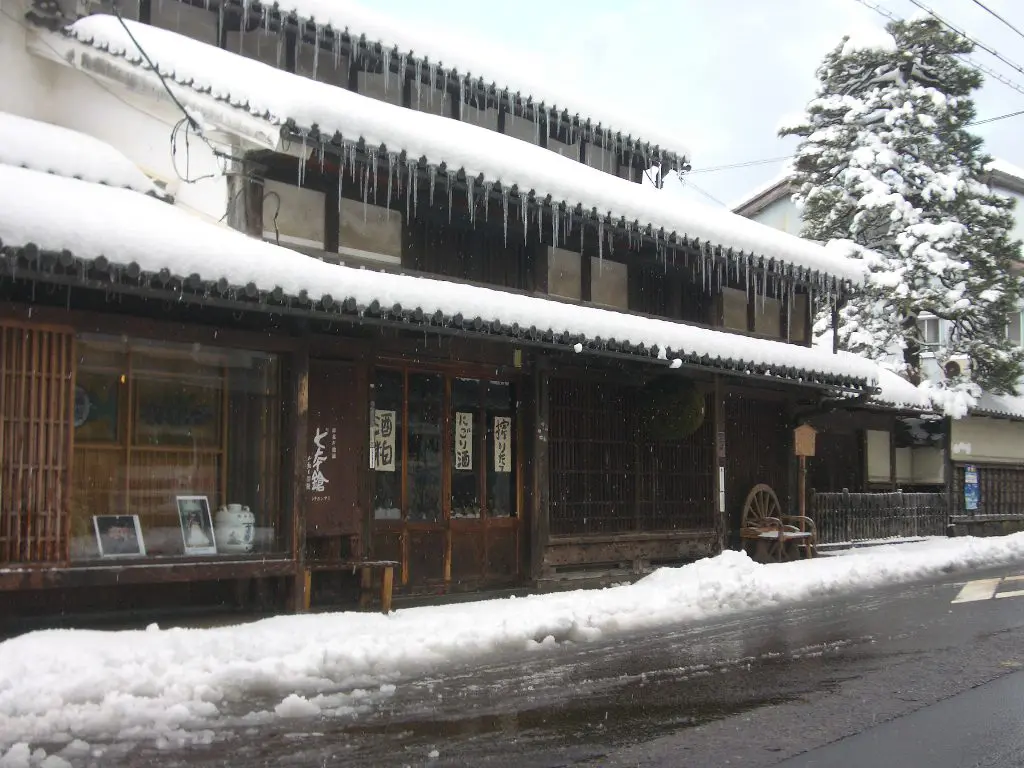
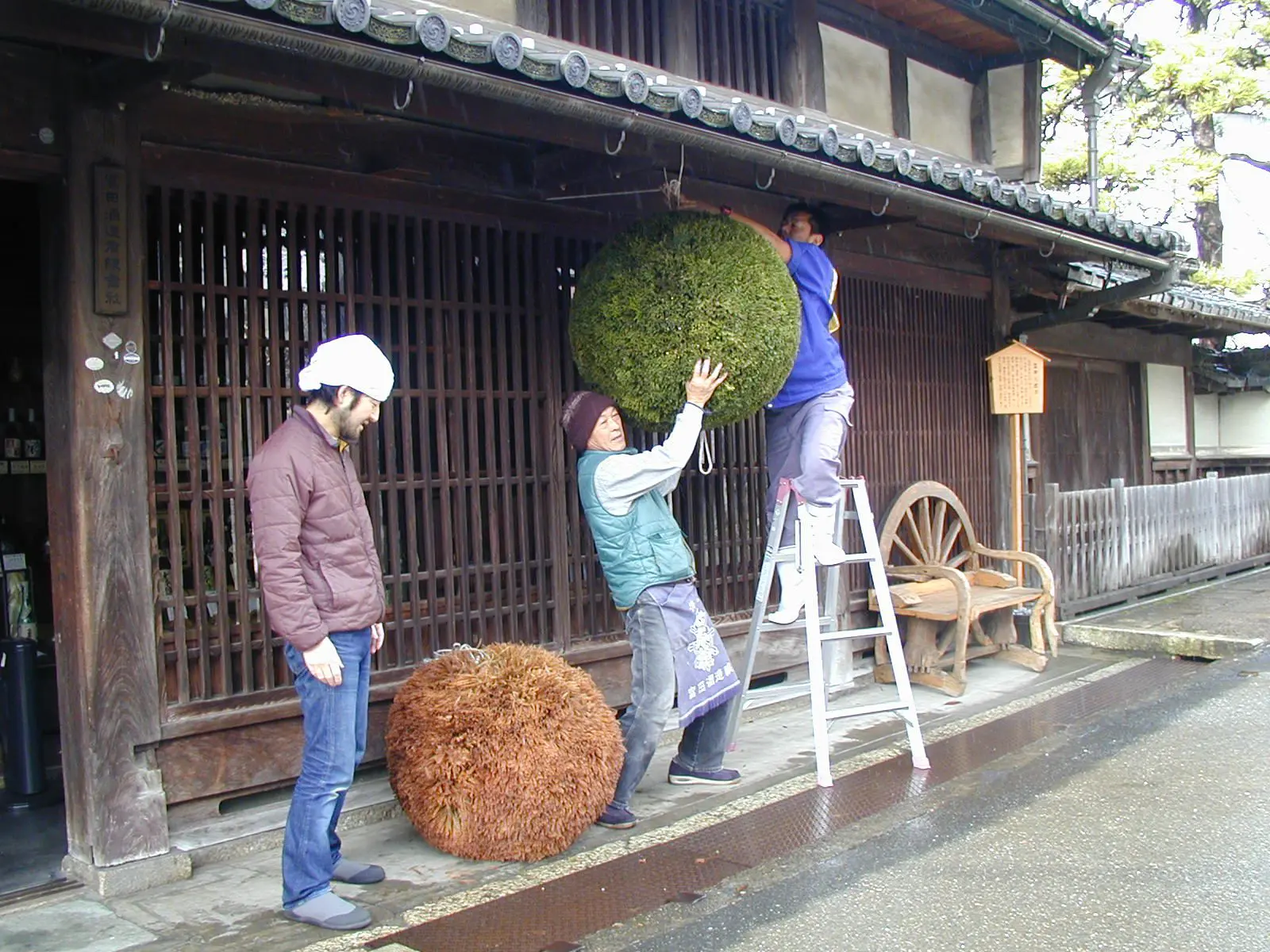
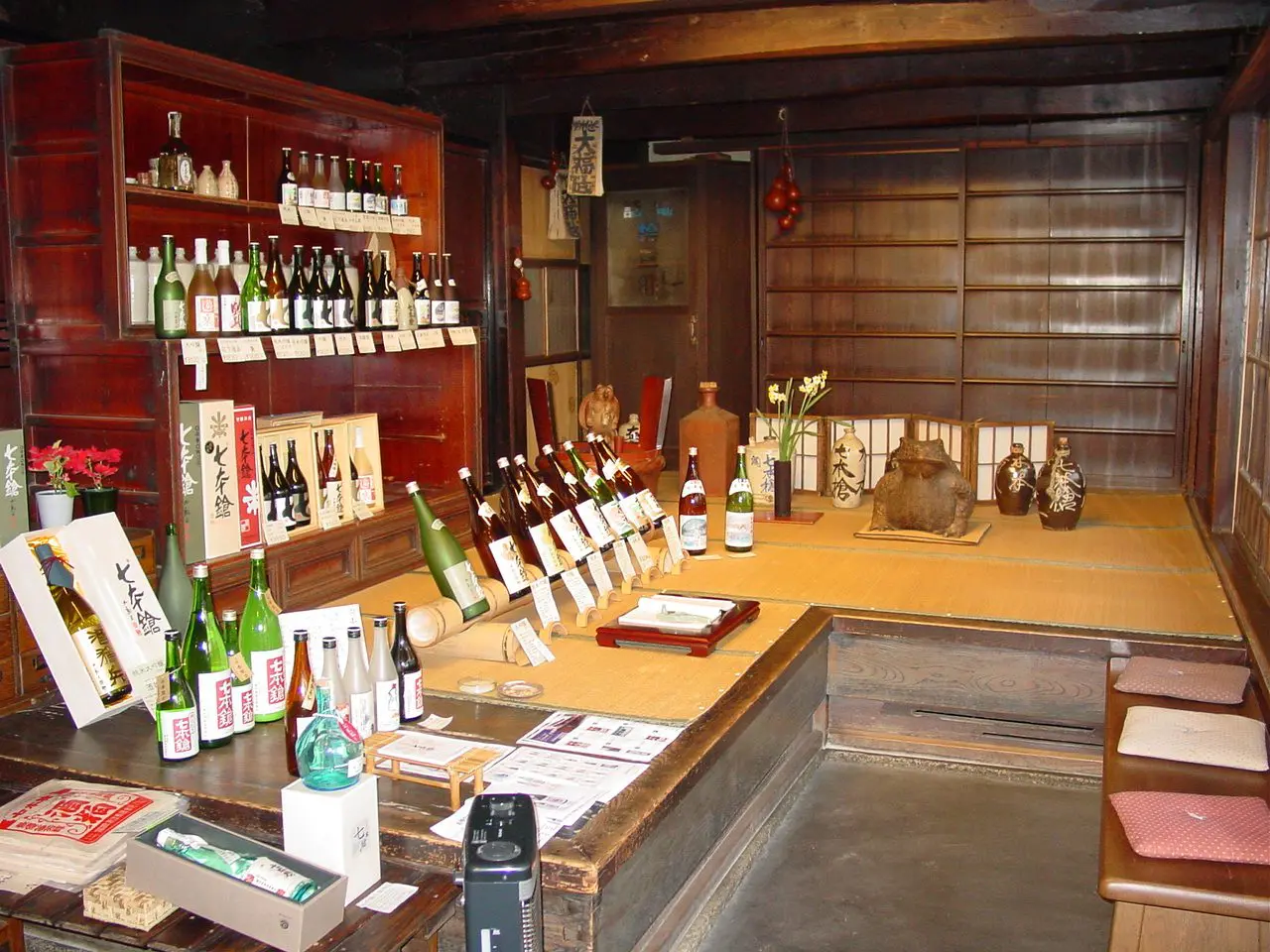
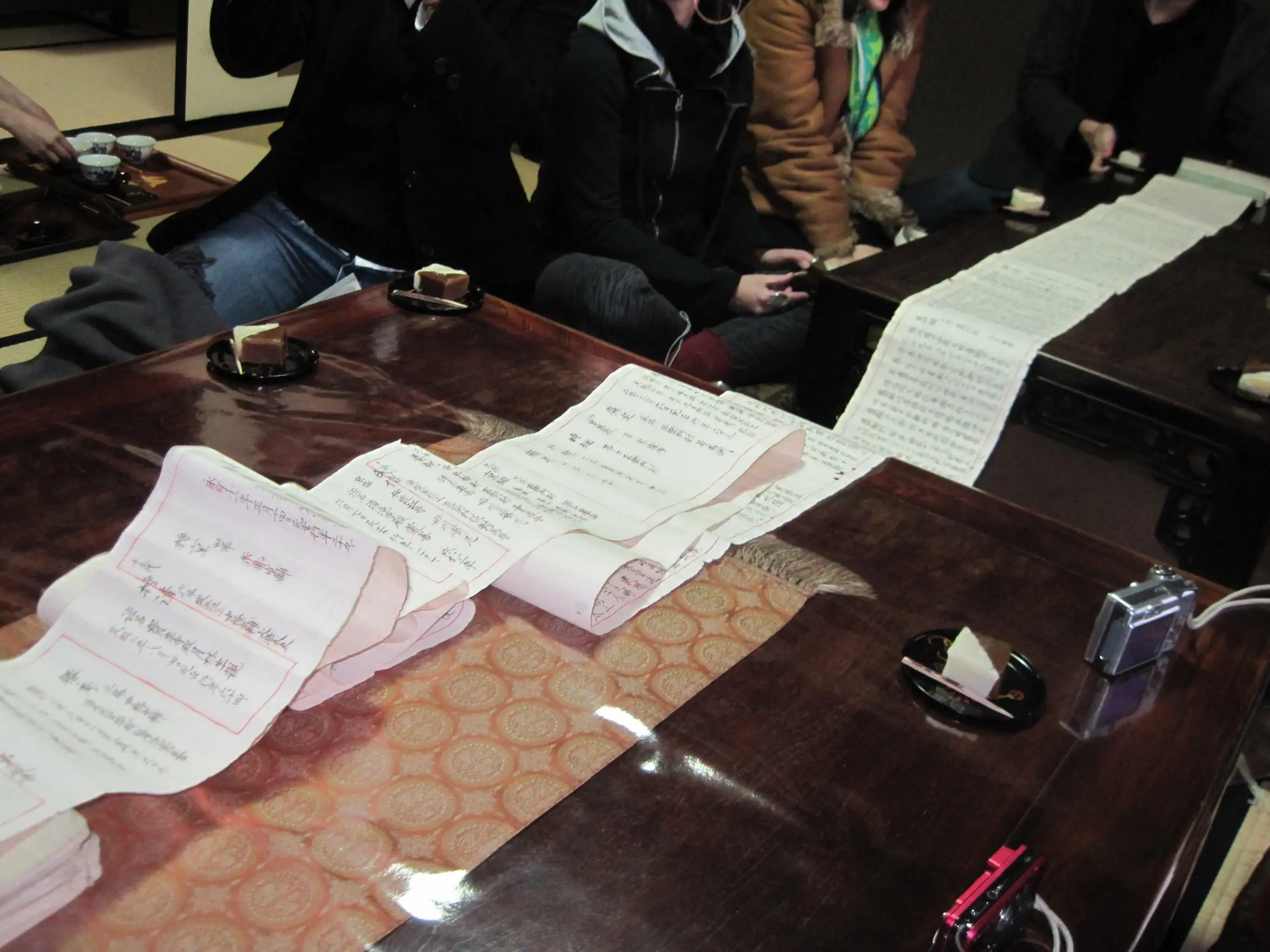
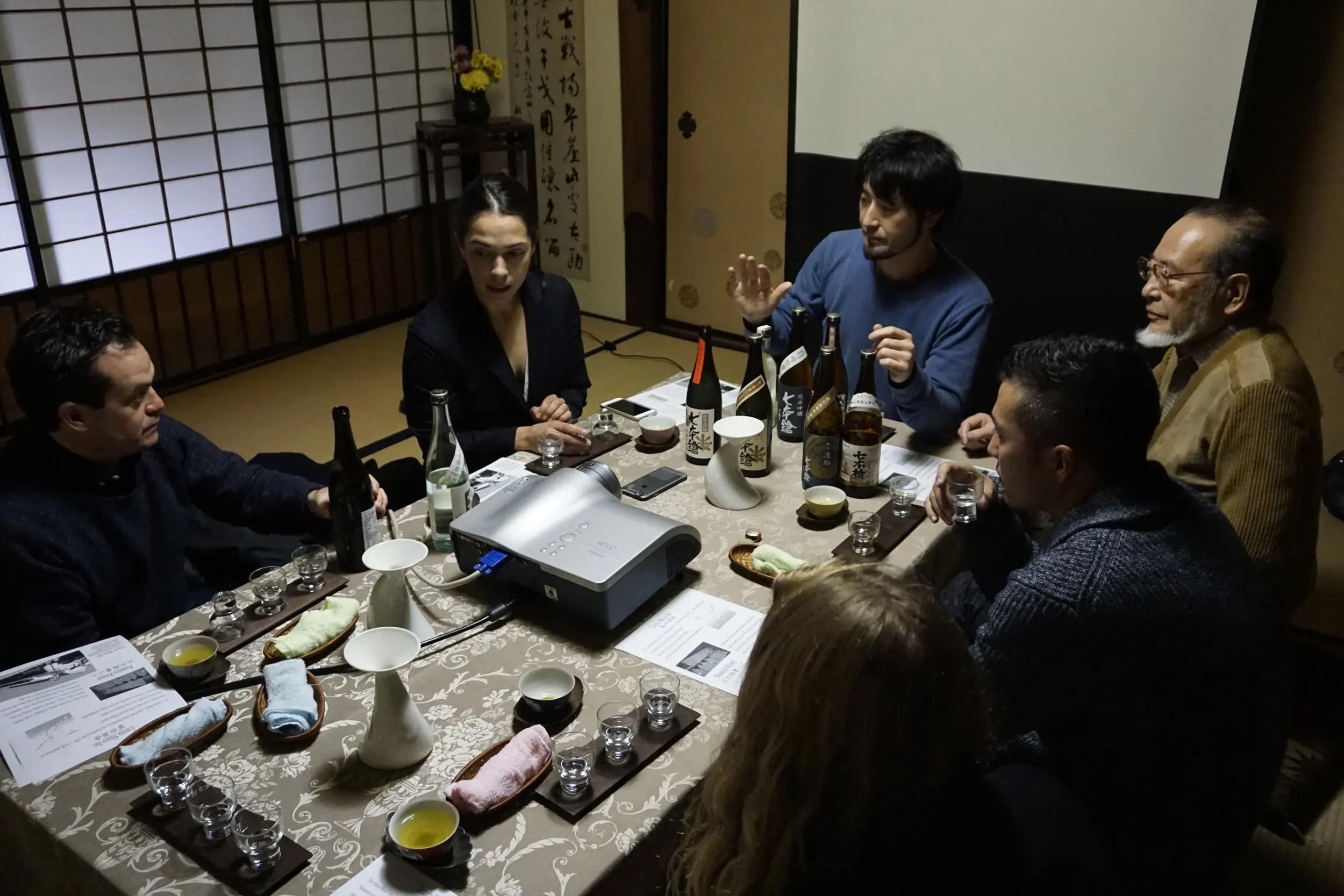
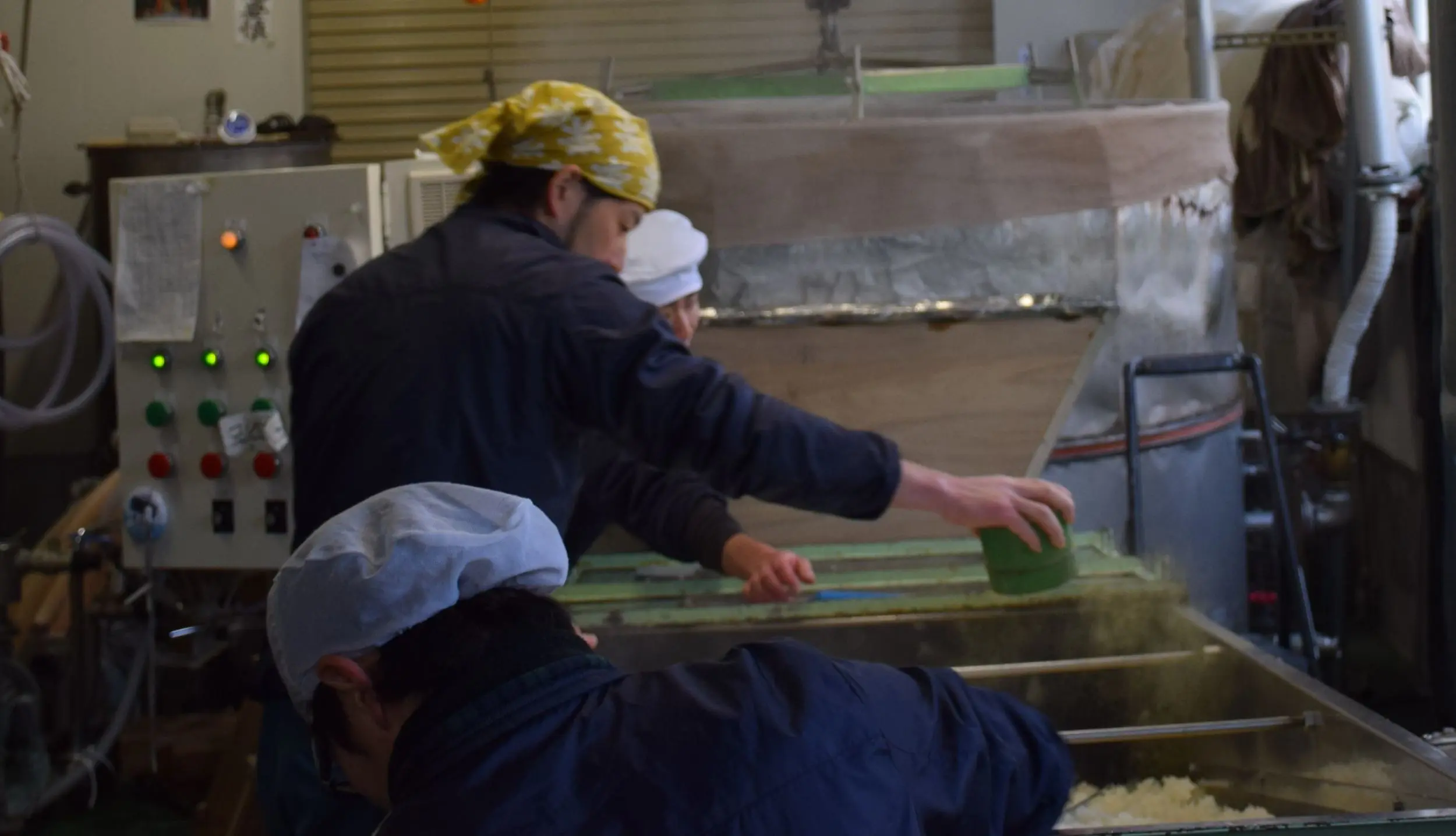
Founded in the 1540s, the Tomita Brewery is one of the oldest breweries in Japan and is now managed by the 15th generation of the family, Yasunobu Tomita, who is also the brewmaster.
The Tomitas named their sake Shichi Hon Yari, or “Seven Spearsmen,” after the leaders of a historic battle that was fought just outside their town.
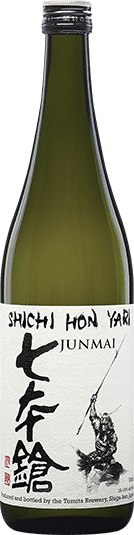
Shichi Hon Yari Junmai is the classic representation of the brewery’s style with its traditional and modern dimensions. However, Yasunobu tests himself and succeeds at making a wide range of sakes—all different but still representative of a distinct “house style.”
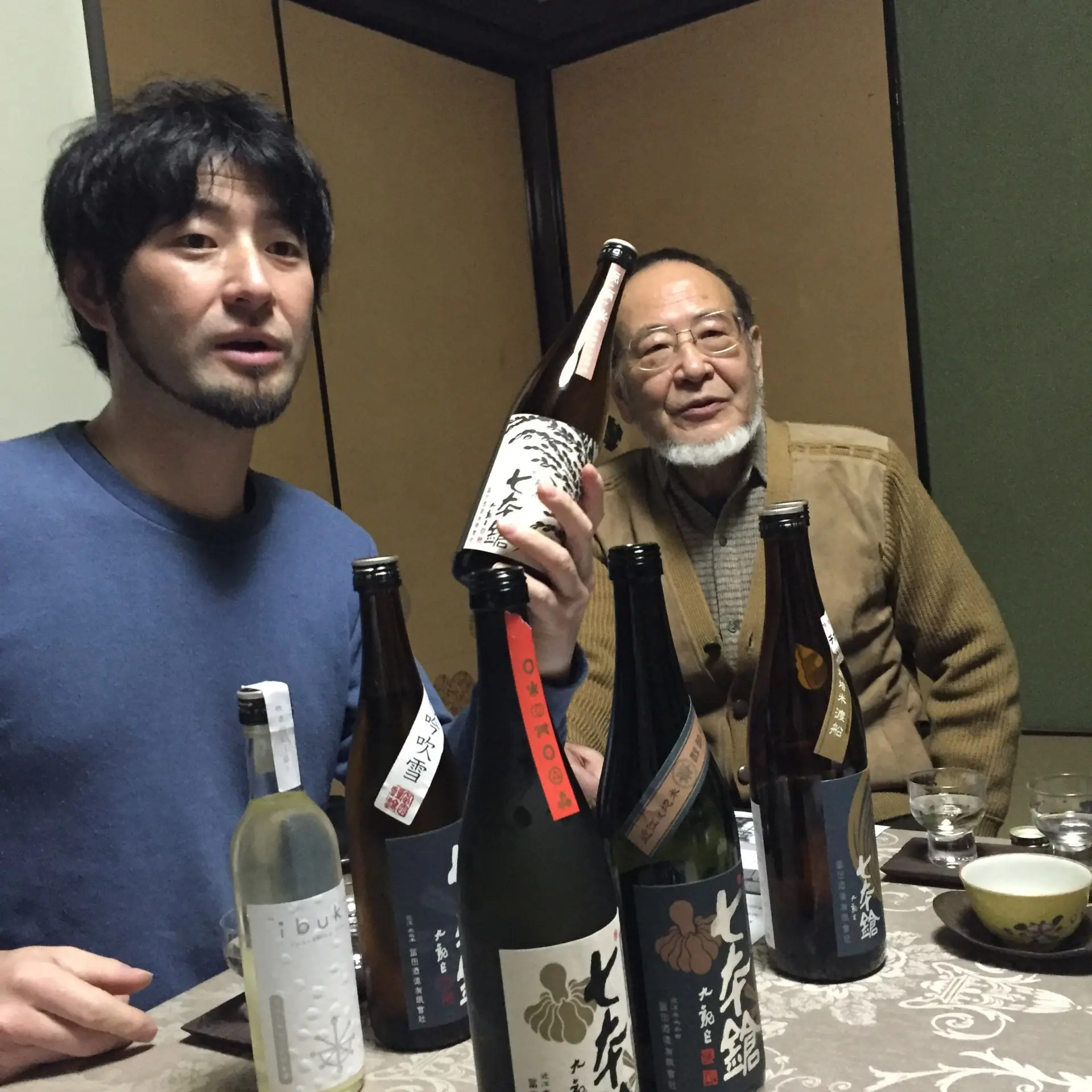
14th and 15th Generation Tomitas
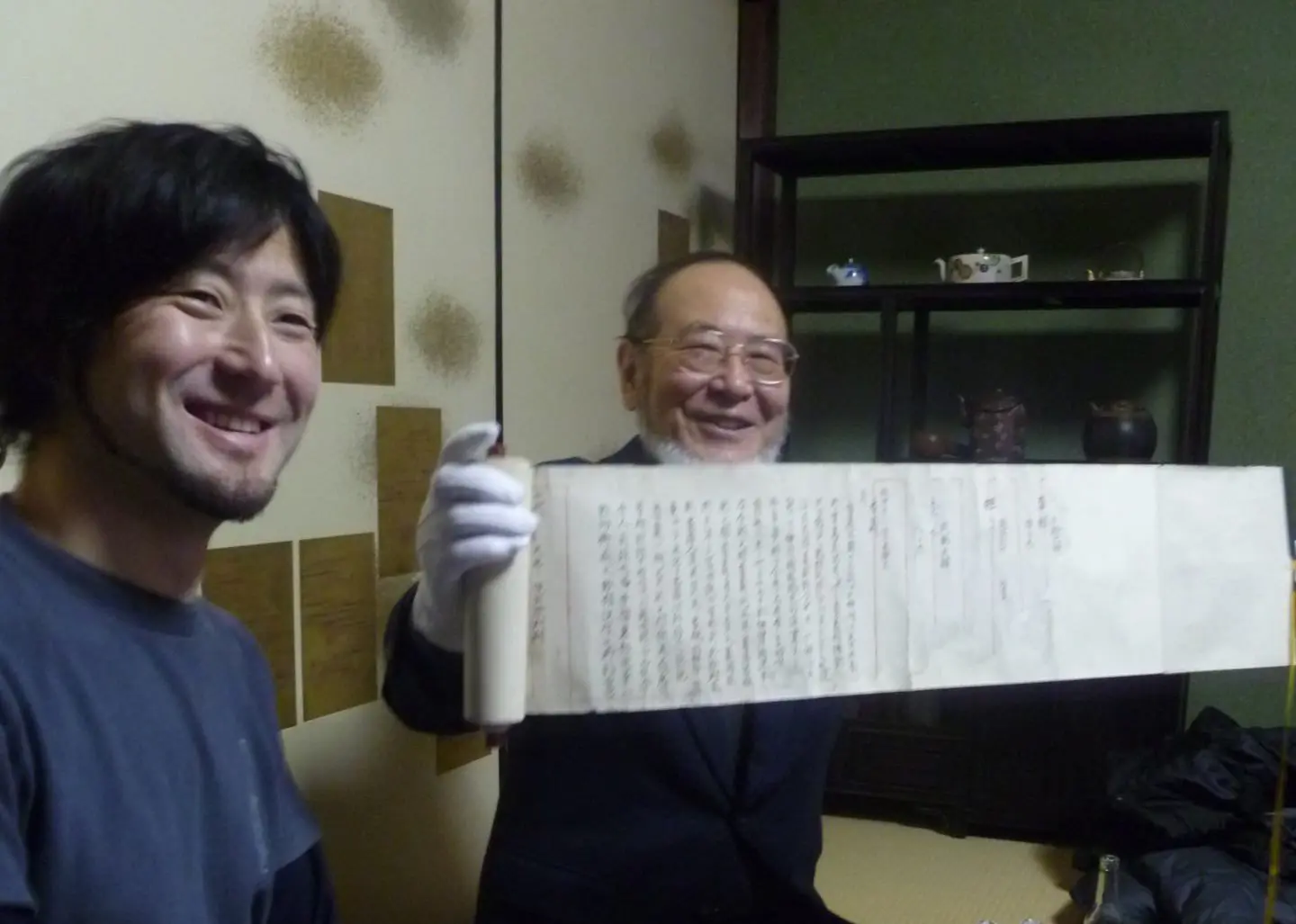
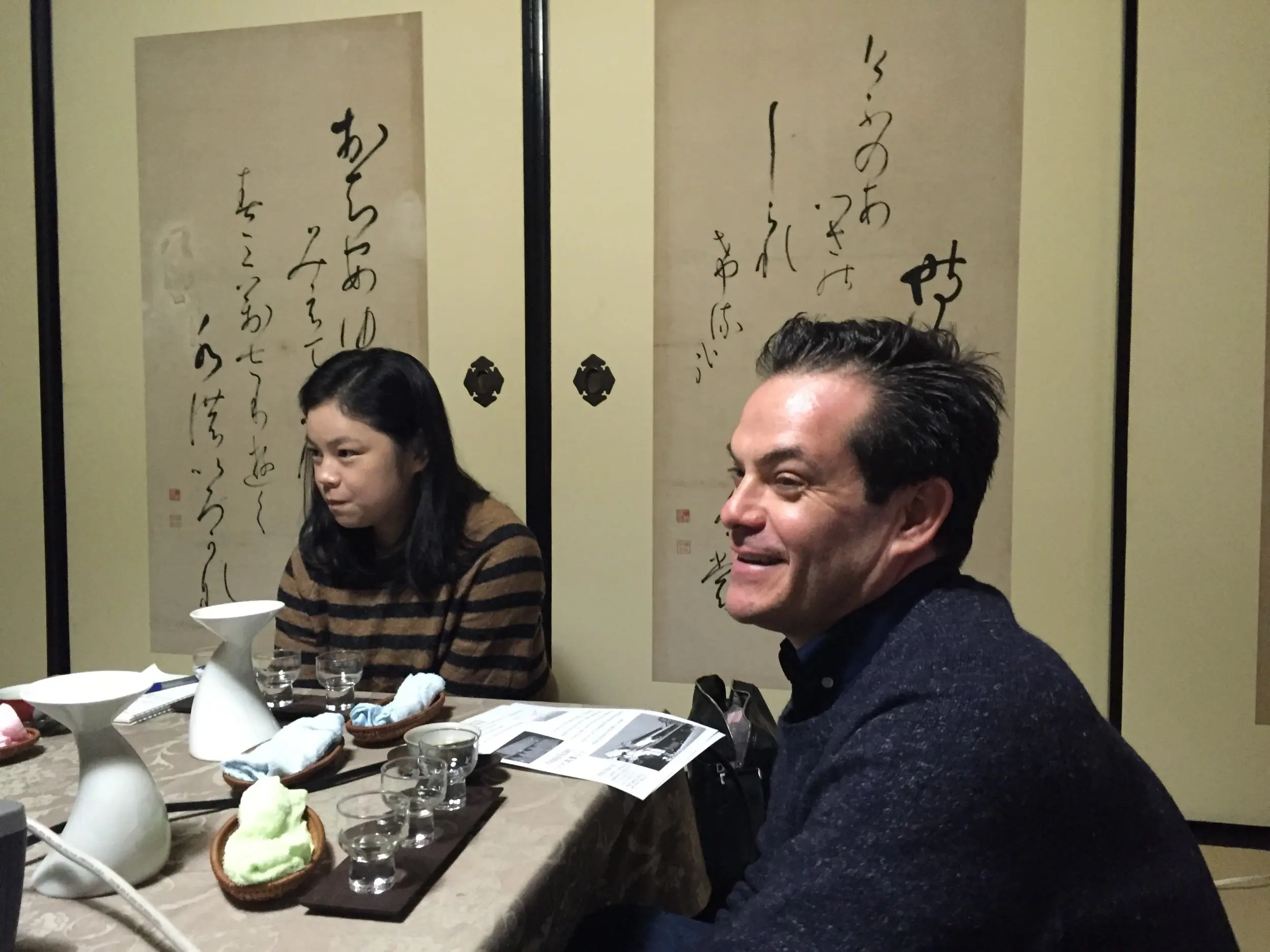
The Tomita Brewery is a warm and precious place. The 14th generation father, Teruhiko, shares his family’s long history and business. It is an incredible story and an honor to learn. You can also see his pride in his son’s new leadership and the renaissance of the brewery. Despite its long history, the Tomita Brewery is still taking chances and reinventing itself.
Collaboration with Local Farmers
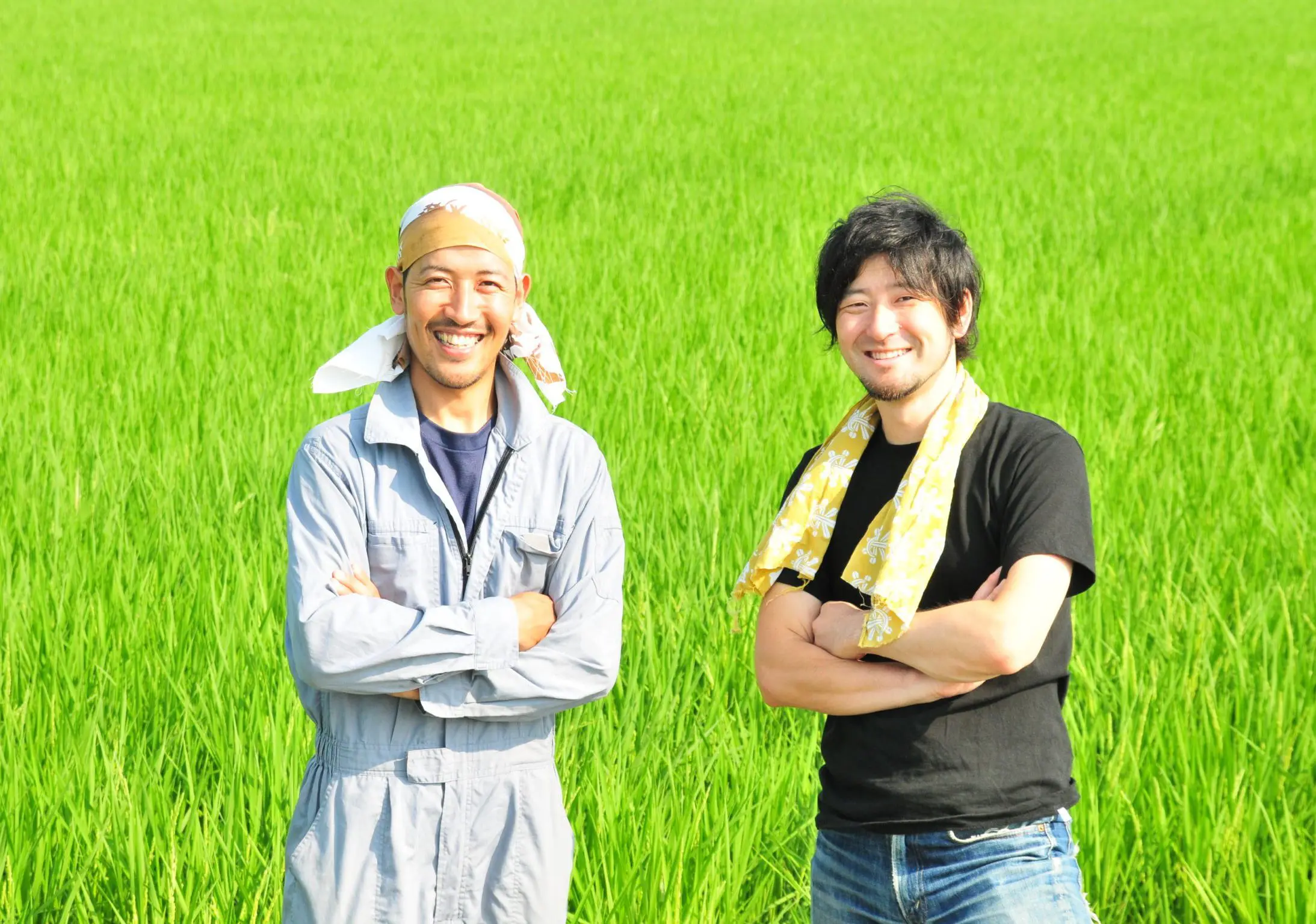
Yasunobu is committed to his local area, its history, food, and agriculture. He has supported local farmers growing Tamazakae rice, a varietal that is indigenous to Shiga. By committing to purchasing stated amounts every year, he insures his farmer-partners that they will have a customer for the rice. He has also worked with them on developing new strains, such as Ginfubuki, which is a cross between Tamazakae and Yamada Nishiki, the most celebrated sake rice. Although we take pride in Taka Yamauchi of Huchu Homare reviving Watari Bune rice, Tomita-san has also contracted with local farmers to grow this rice. All of this innovation keeps local agriculture healthy and it gives Tomita-san more variety for making sake.
Business Manager – Chihiro Shimizu
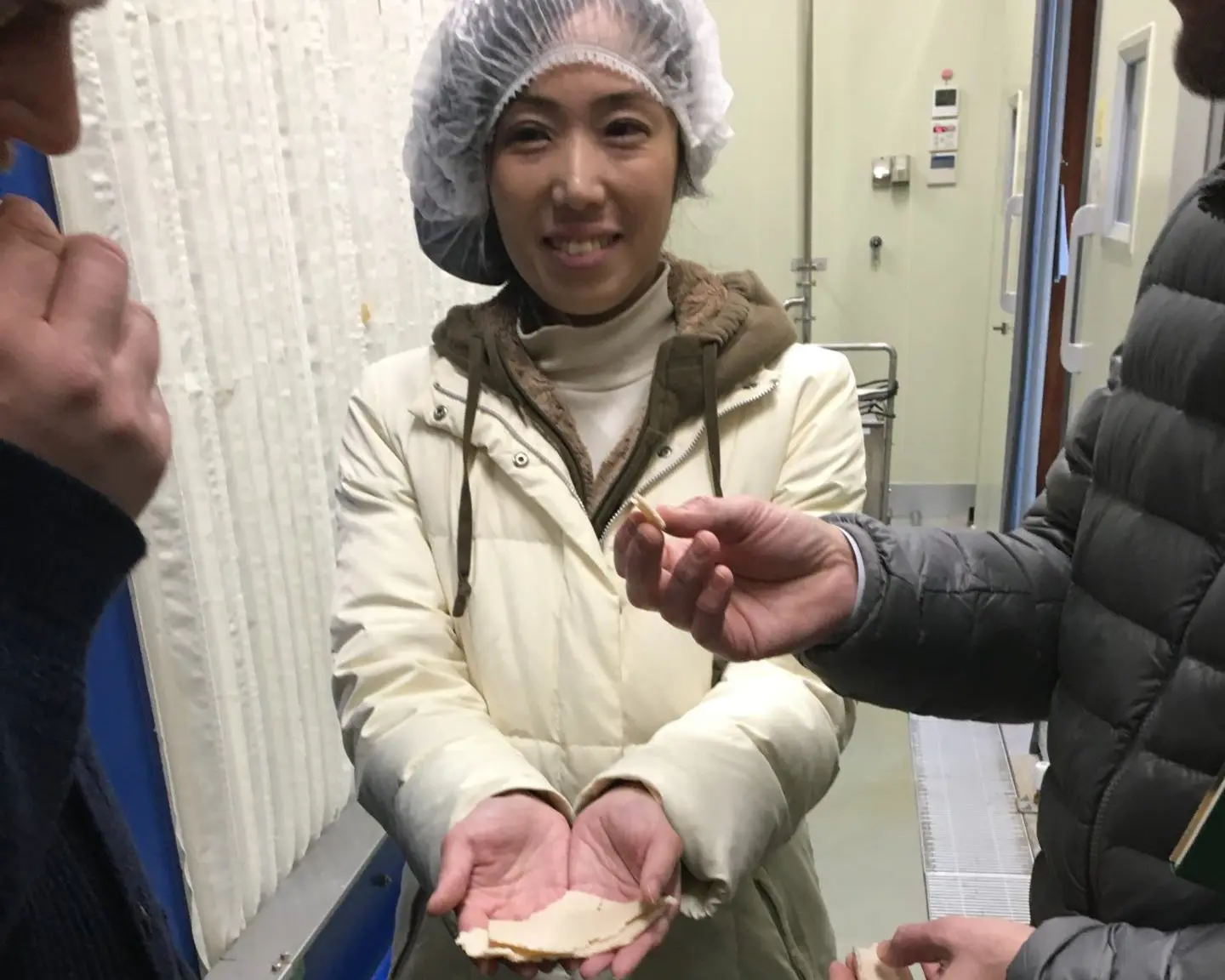
Most sake breweries are family businesses and it is easy to focus on the owners and brewmasters. However, many breweries are fortunate to have people from outside the family enter the business and instill it with their passion and commitment. Chihiro Shimizu is one of those people. She has been at the Tomita Brewery since 2007, as a business manager and export director. She is a key part of the engine that makes the Tomita Brewery run.
Shichi Hon Yari – The Seven Spearsmen
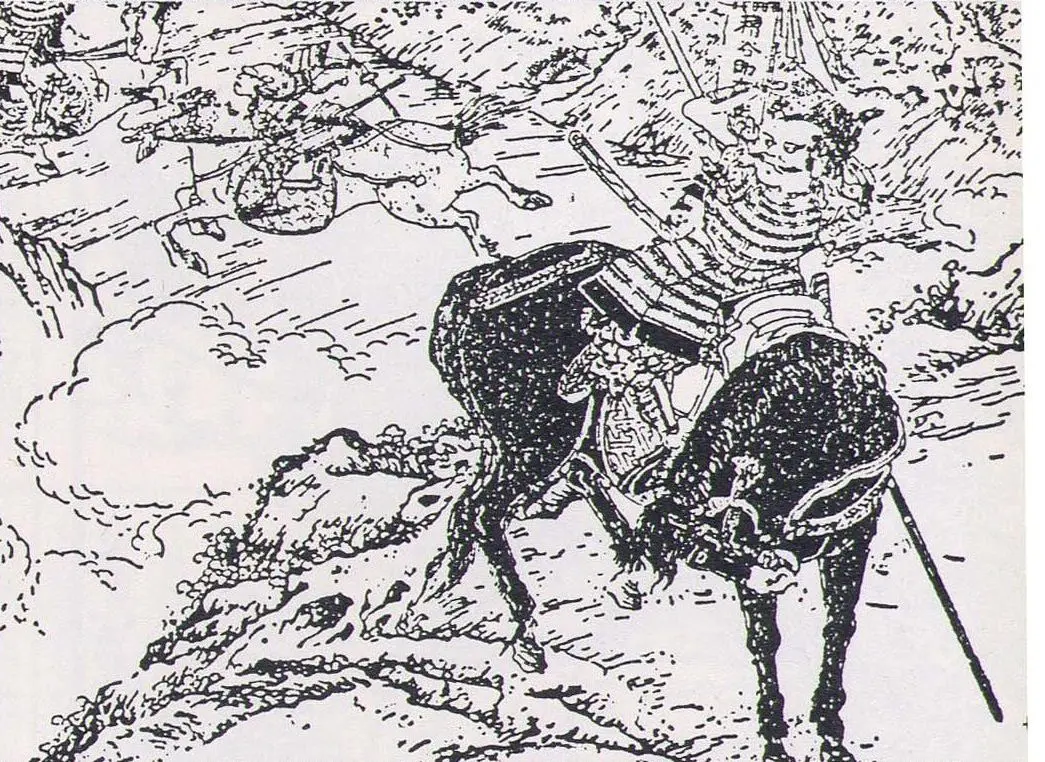
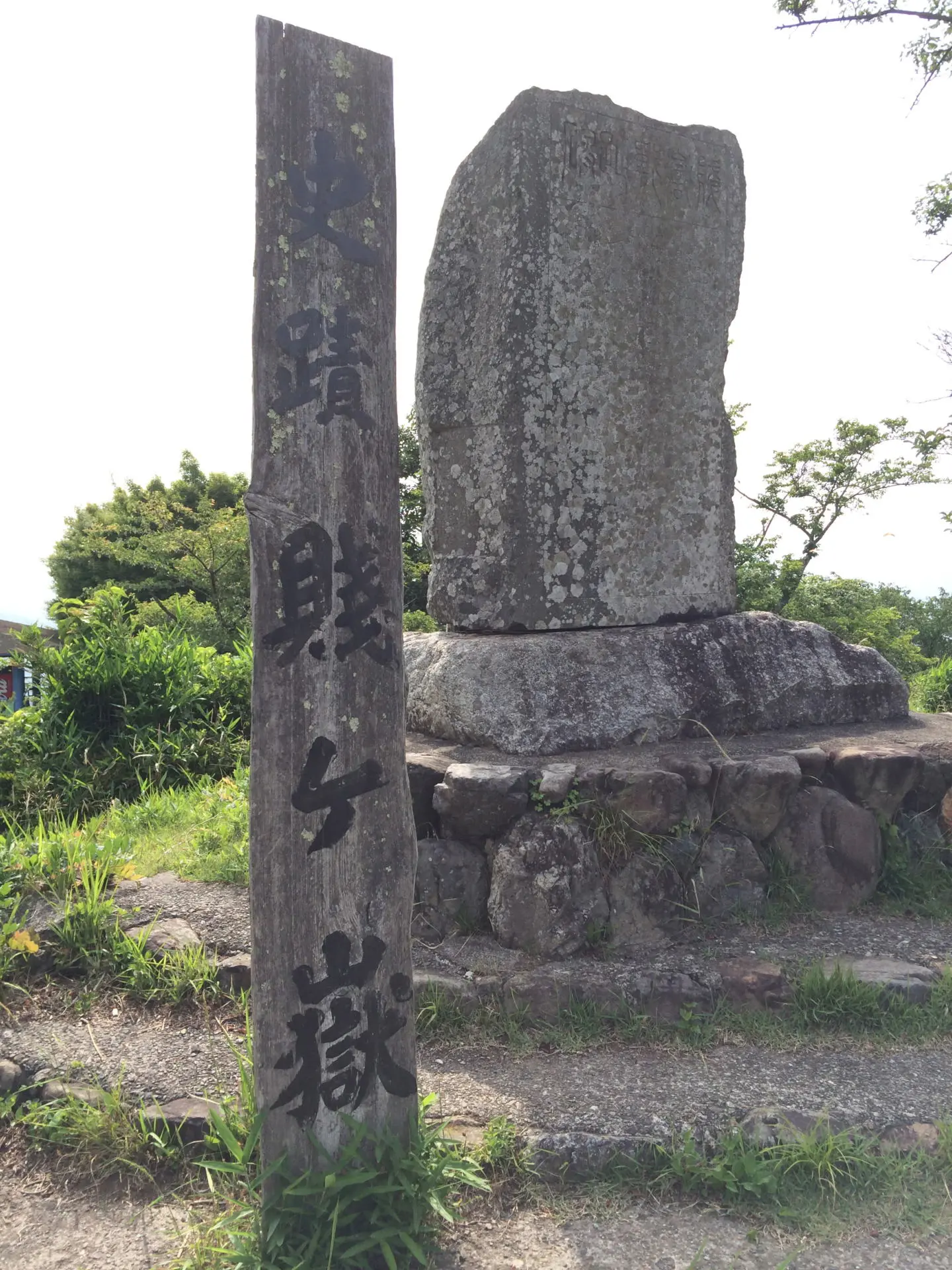
Shichi Hon Yari, “The Seven Spearsmen,” is named after the seven spearsmen who became legends at the battle of Shizugatake, which was fought outside the town of Kinomoto in 1583. After defeating his enemy with his seven lieutenants, Toyotomi Hideyoshi consolidated his power and unified Japan under one ruler. The feudal era started its decline and the modern era with a central, federal government began. Although the battle was fought centuries ago, the Tomita Brewery was founded before it. It wasn’t until decades later when they started shipping their sake to Edo, now Tokyo, the new capital of Japan, that they needed a brand name and took Shichi Hon Yari.
Rosanjin, Japan's Leonardo Da Vinci
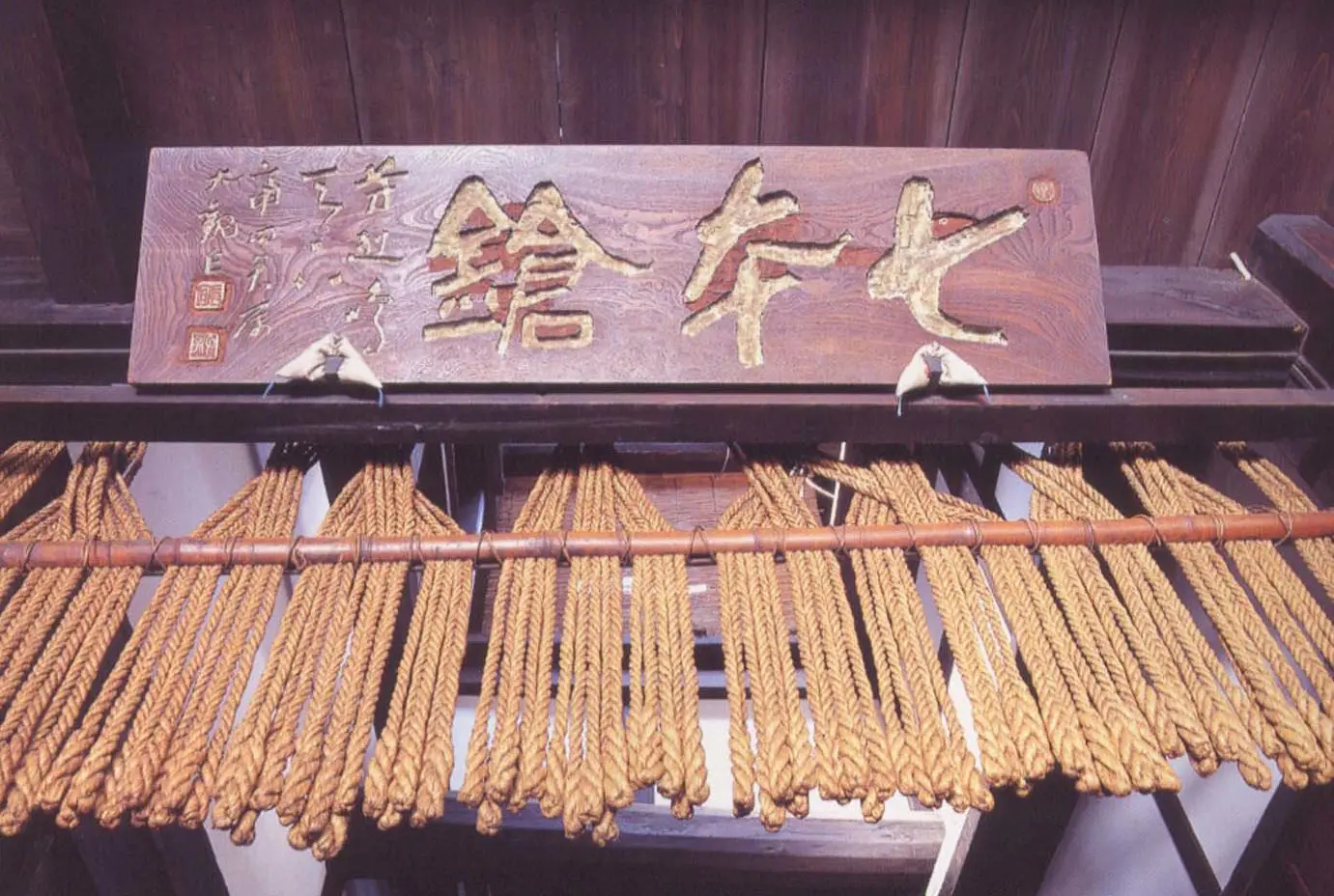
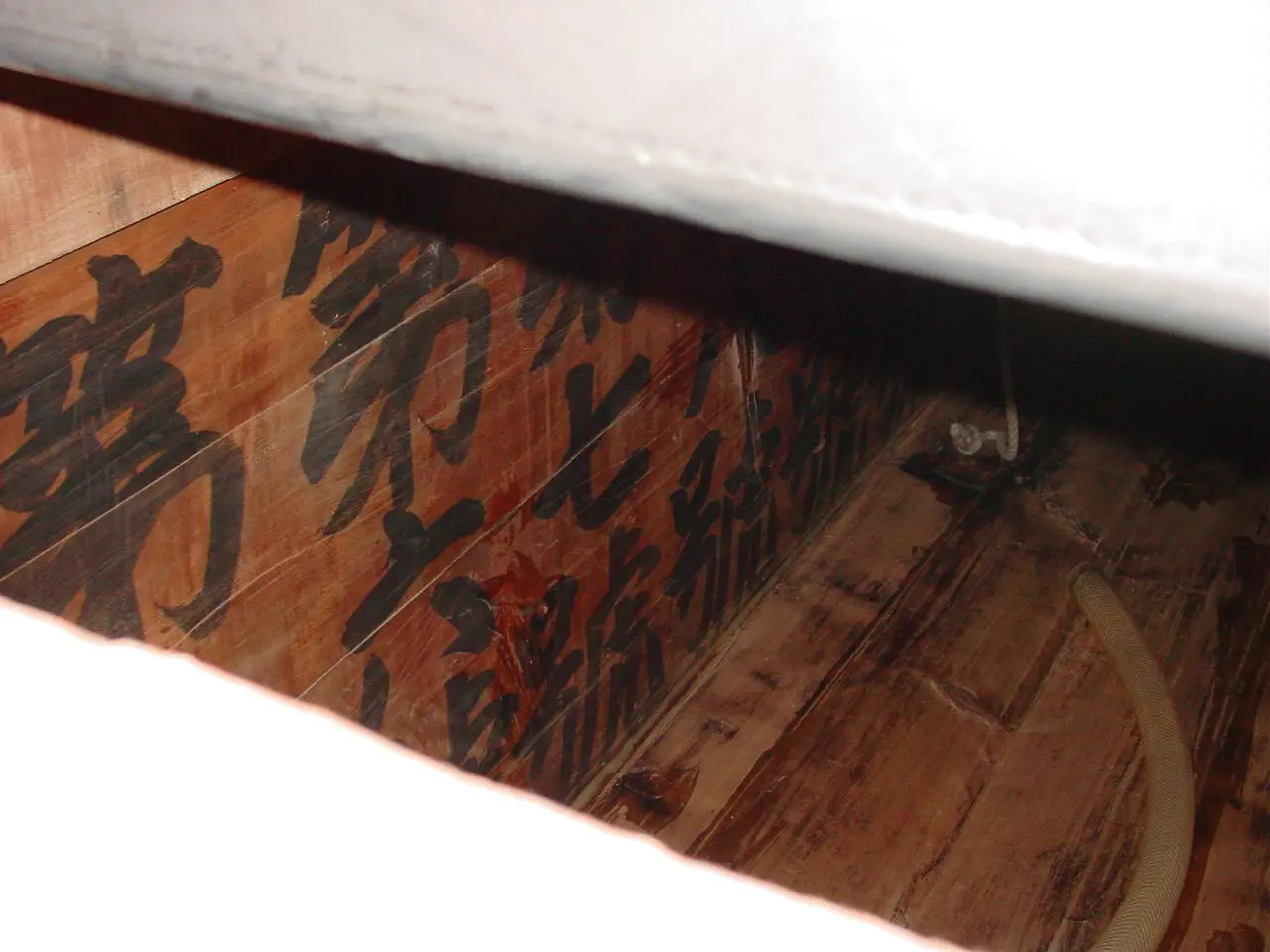
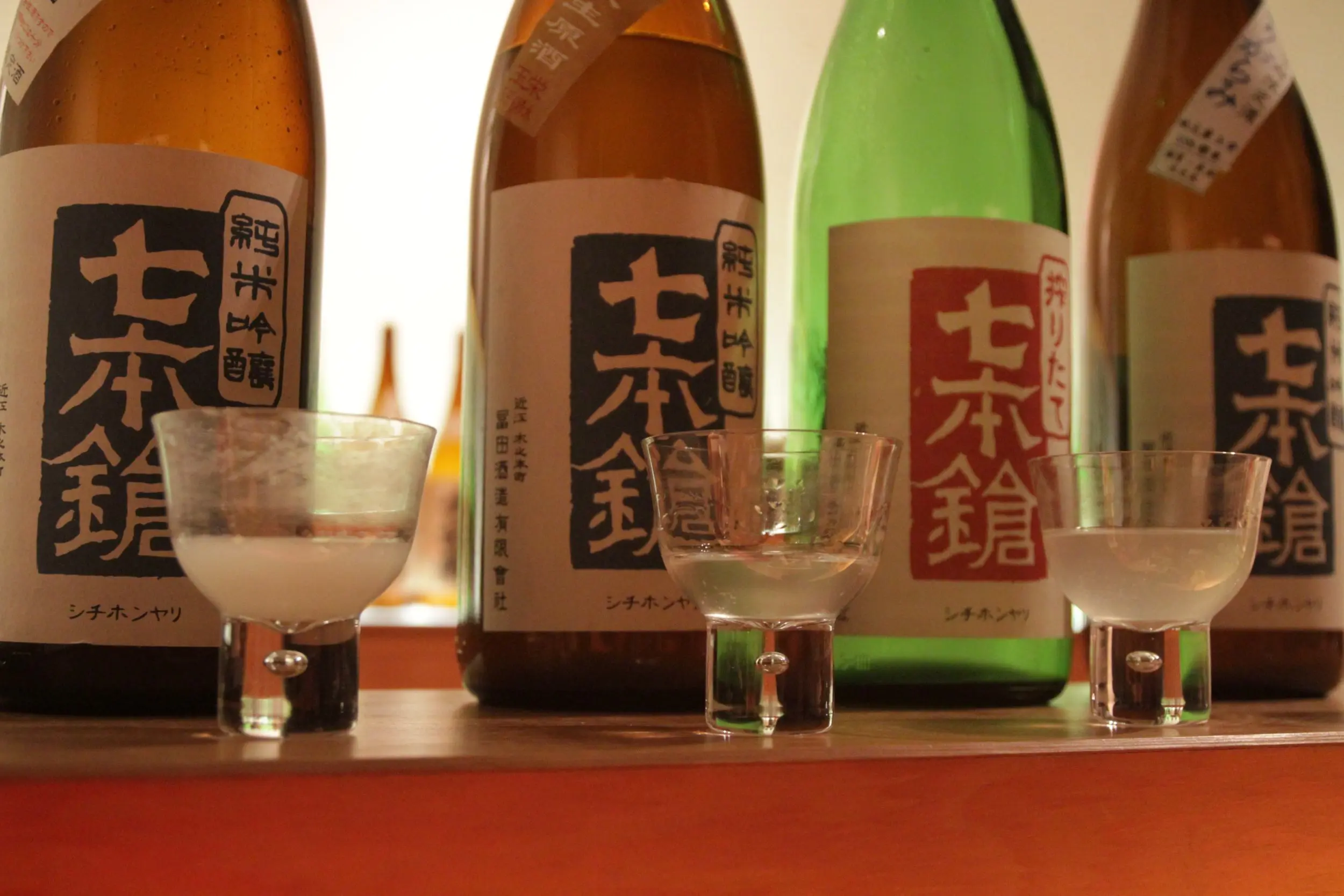
In the early 1900s, Rosanjin, one of Japan’s most famous craftsmen, stayed at the Tomita Brewery. At that time, he was still a young, unknown artist traveling through this area. To thank and pay his hosts, he created a wood block etching of Shichi Hon Yari, which is hung at the entrance to the brewery. Today, the Tomitas use these characters for the label of Shichi Hon Yari. Scholars have said this is one of Rosanjin’s best wood-block etchings.
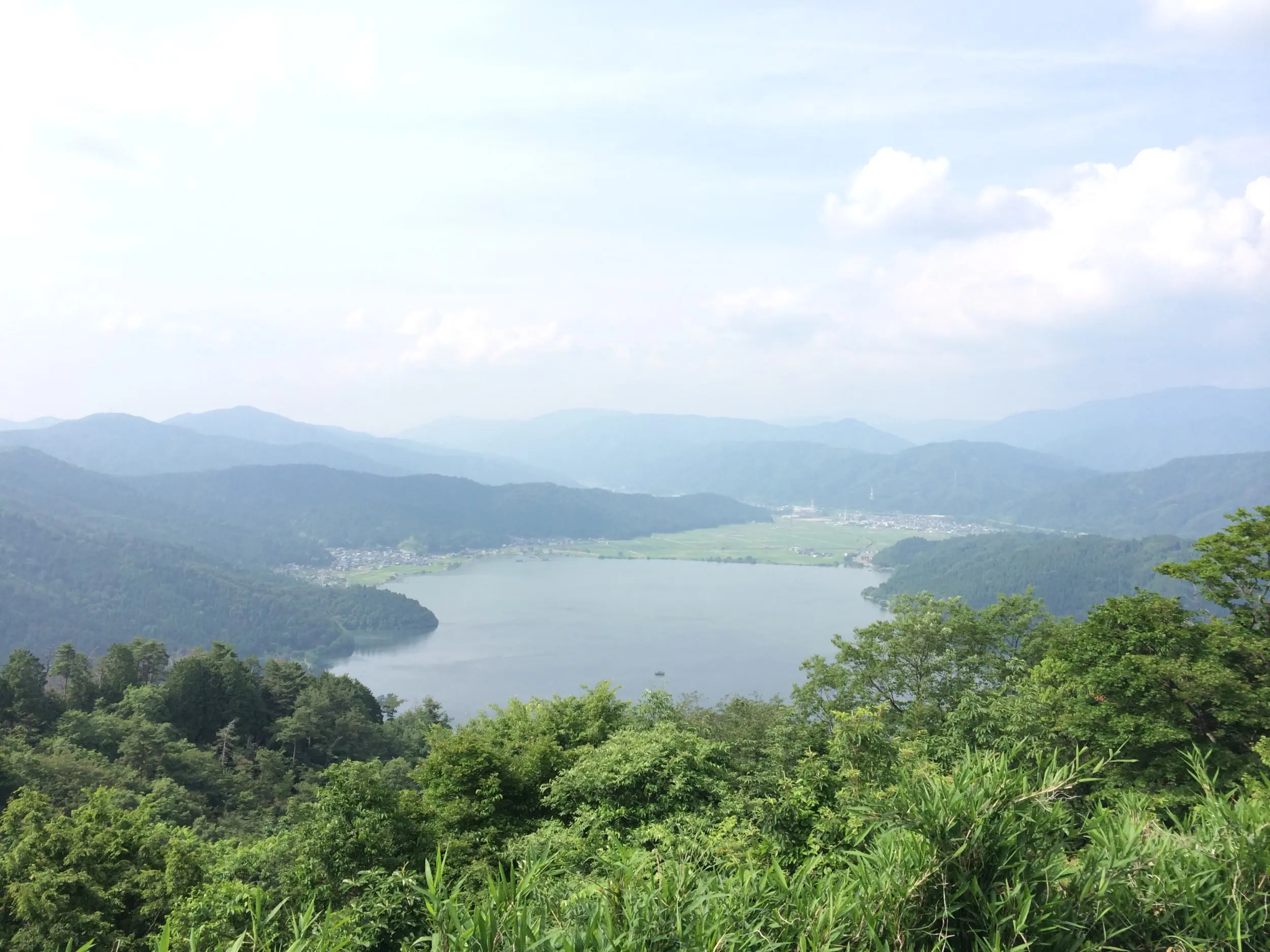
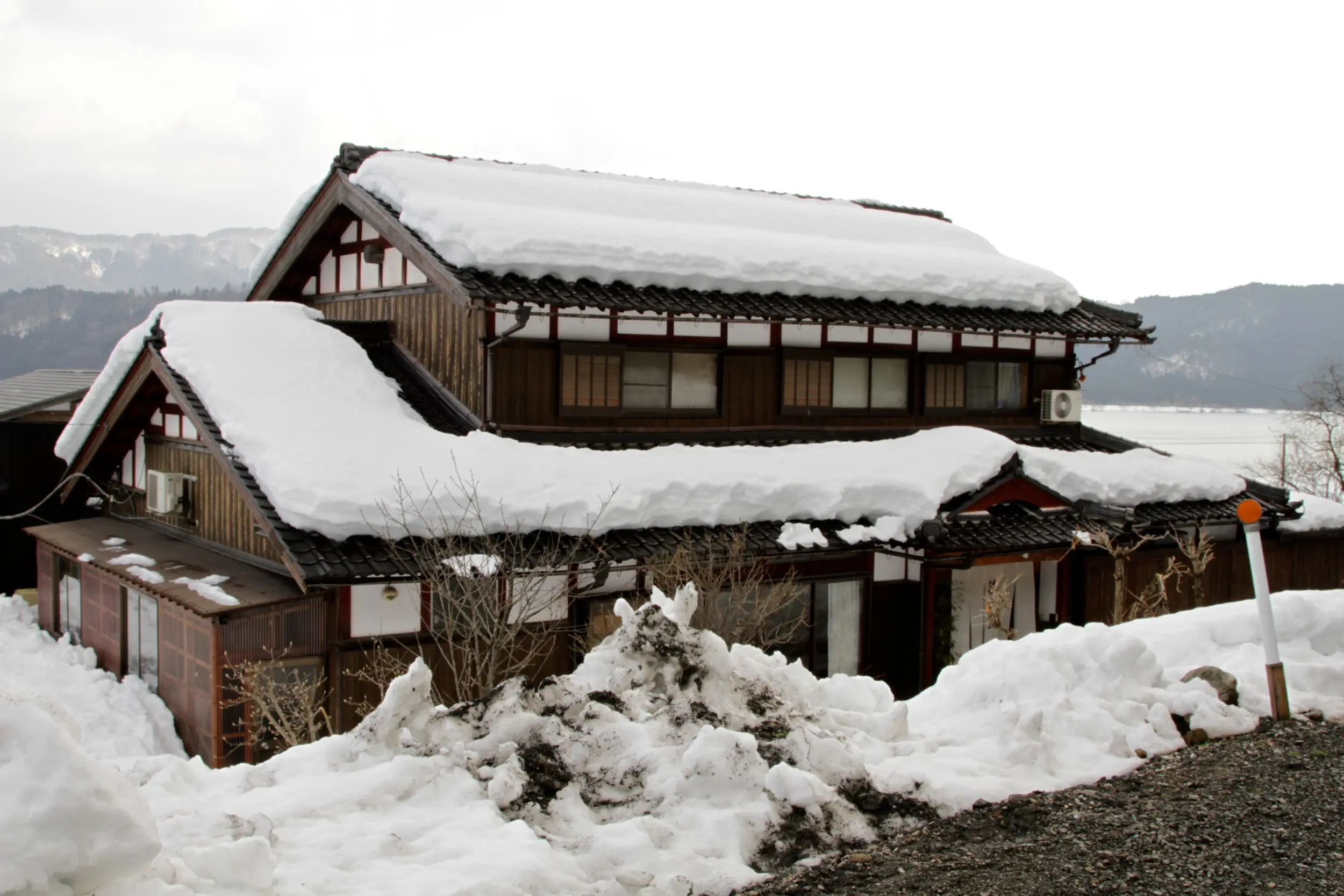
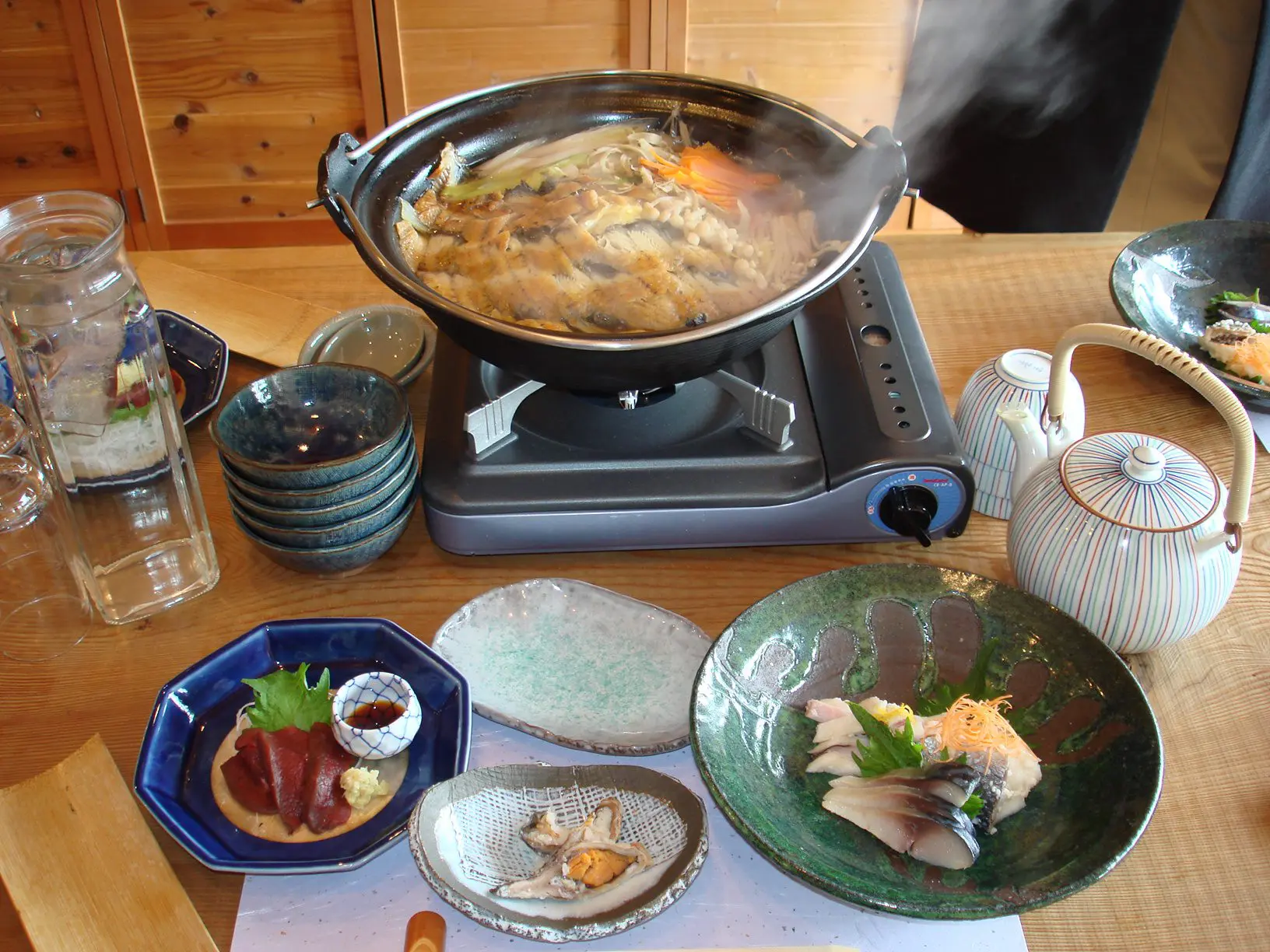
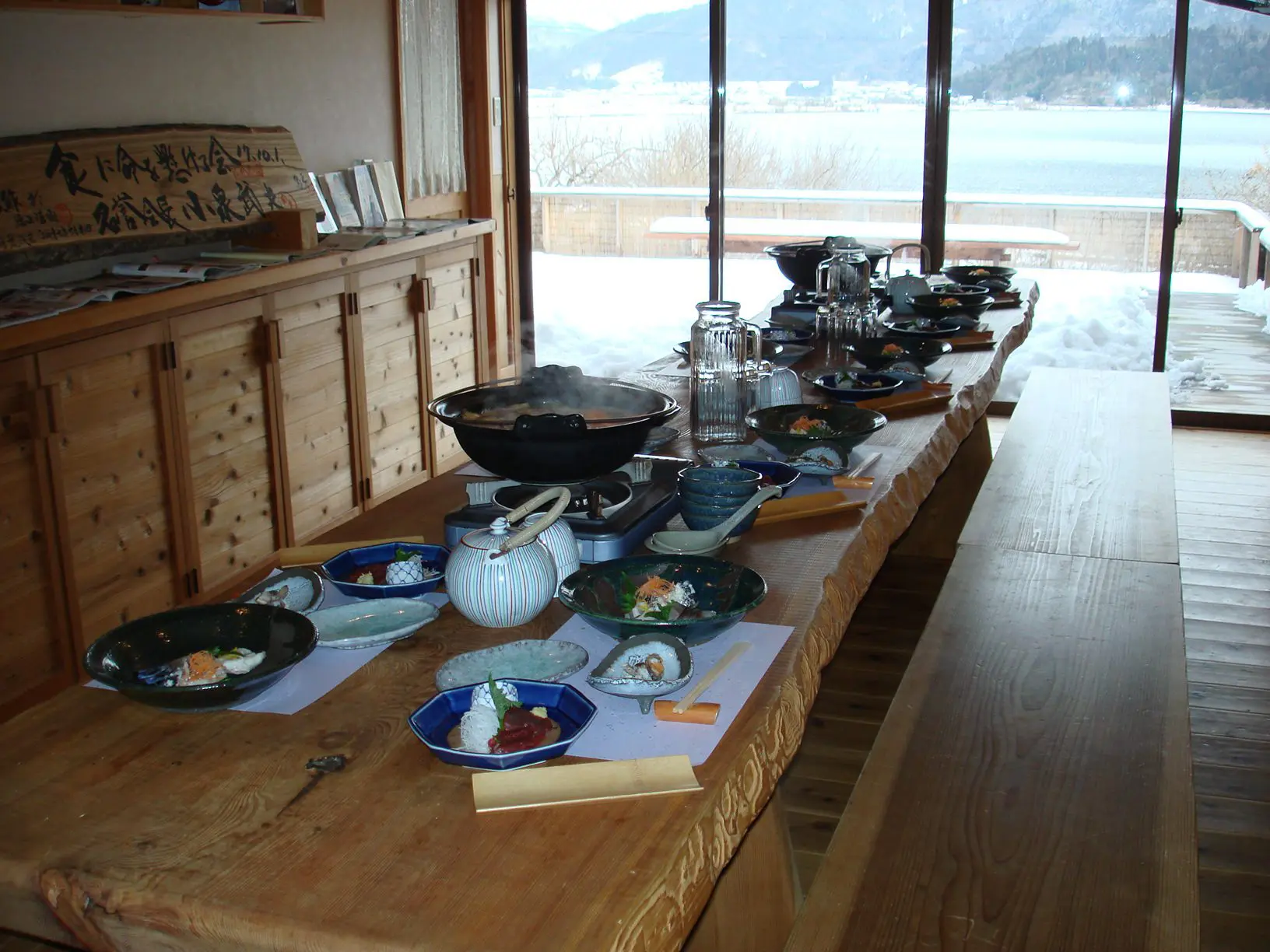
The Tomita Brewery is located in the small town of Kinomoto just north of Lake Biwa in Shiga Prefecture. Lake Biwa is the largest lake in Japan and is known for lake fish that the locals eat. The town of Kinomoto and the road that the Tomita Brewery is on were part of a trading and pilgrimage route hundreds of years ago. Many old, traditional crafts producers have remained.
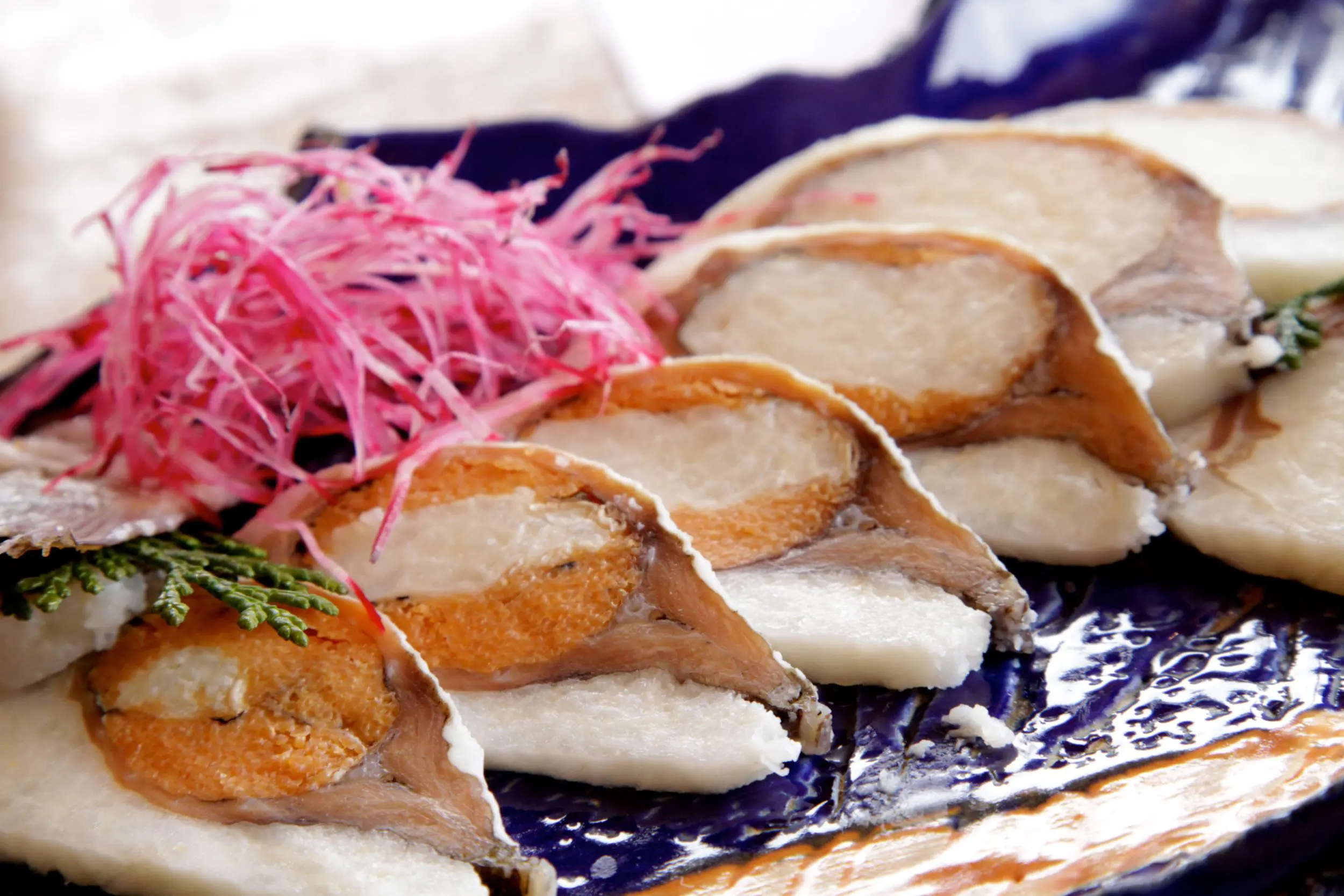
This area is also the birthplace of funazushi, a fermented fish and rice dish made using “funa,” a type of lake fish from the area. Funazushi is the origin of nigiri sushi.
Shiga is also part of the larger Kansai area and has deep history and culture. It was also an area of great battles and warlords.
Funazushi Master
Shichi Hon Yari Sake
Shichi Hon Yari sake is primarily made with Tamazakae rice, Shiga Prefecture’s indigenous sakamai. The Tomitas and their farmers use mineral water that runs from the nearby Ibuki mountains down to their village. This water is so suited for sake making that they use it as is, without being filtered.